How to Buy Leads: The Complete Guide for Agencies and Businesses (2026)
Learn how to buy leads the right way: how to evaluate lead vendors, set acceptance criteria, detect duplicates, and calculate the ROI of purchased leads. Updated 2026.

Rafael Hernandez
Founder & CEO
Ex-Microsoft SWE · $10M+ PPL ad spend
I hope you enjoy reading this blog post. If you want to try Lead Distro AI for free, click here.
Author: Rafael Hernandez | Founder & CEO of Lead Distro AI
Buying leads is one of the fastest ways to fill a sales pipeline, but most buyers overpay, get burned by duplicate contacts, or end up with leads that were never a good fit. Knowing how to buy leads comes down to five steps: define your acceptance criteria, vet your vendors, choose the right delivery method, set up duplicate detection, and measure ROI before scaling. I have worked with pay-per-lead agencies and lead buyers in personal injury law, insurance, and home services for years, and the buyers who win are the ones who treat lead purchasing as a system rather than a one-time transaction.
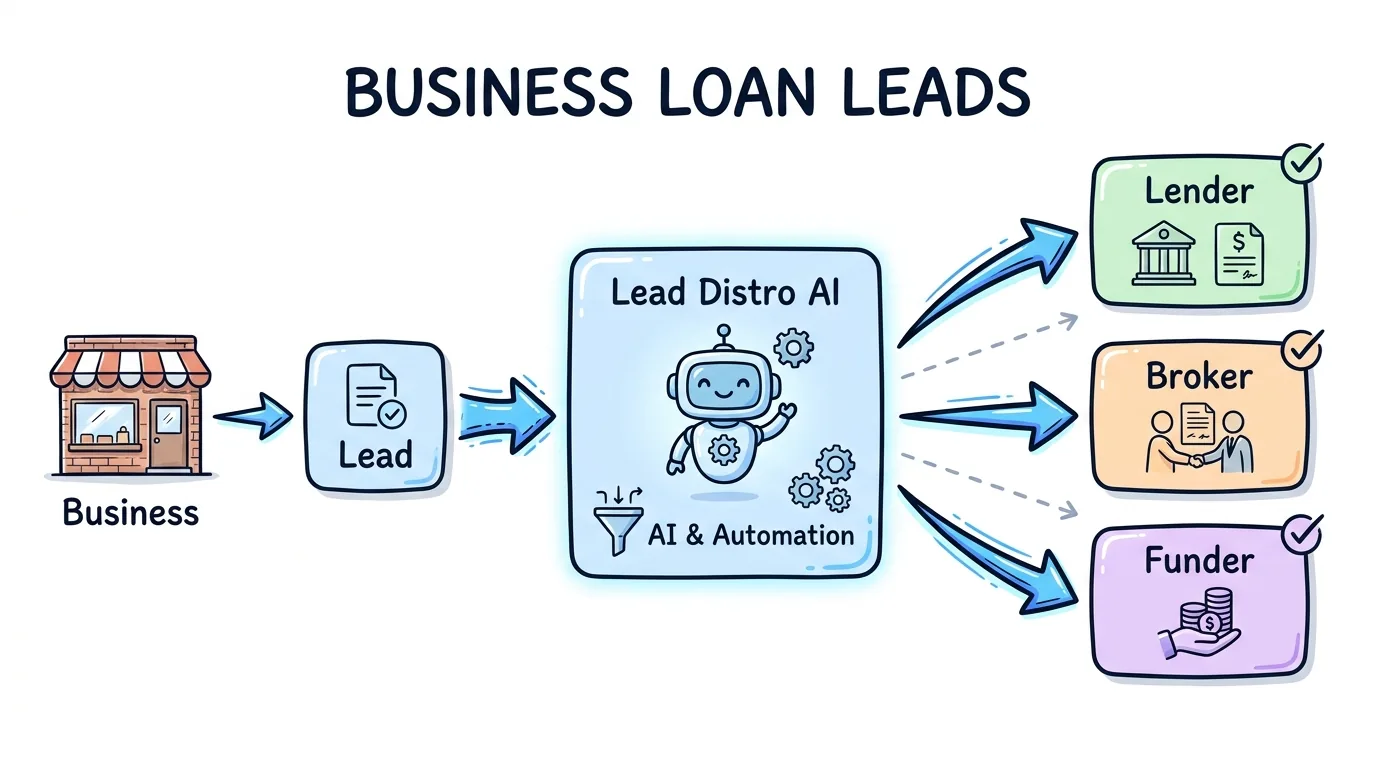
Lead Distro AI does not sell leads. It is software for the companies that generate and sell them. If you already buy from several vendors, it can take in every vendor's leads, block duplicates, and show which vendor pays off. To buy the leads themselves, you will need a lead vendor.
According to a 2024 Lead Response Management study, contacting a lead within five minutes of form submission increases conversion odds by up to 9x compared to waiting 30 minutes. That statistic illustrates the fundamental challenge with buying leads: quality at the point of purchase matters, but so does the speed and precision of everything that happens after you accept a lead. Personal injury leads typically run $50 to $400 per lead. Insurance leads range from $20 to $150. Home services leads range from $15 to $80, depending on exclusivity and intent level. Getting the process right is the difference between a profitable acquisition channel and a budget drain.
This guide covers every step of the lead buying process so you can acquire leads that actually convert.
Key Takeaways
- Define acceptance criteria before signing with any vendor. Geography, exclusivity, and the time since form submission are the three criteria that most affect conversion rate.
- Vet every vendor with four questions: Where do the leads come from? Are they exclusive? What is the return policy? Is the vendor TCPA-compliant?
- Real-time delivery outperforms batch delivery. Leads contacted within five minutes convert at rates up to 9x higher than leads contacted after 30 minutes.
- Ping-post gives buyers meaningful control. Accepting leads before paying for them lets you apply scoring and filters before committing budget.
- Duplicate detection is non-negotiable. Without a detection window, you will buy the same contact multiple times across vendors and campaigns.
- ROI tracking closes the loop. Cost per lead is only one metric. Cost per acquisition and revenue per lead tell you whether the channel is actually profitable.
Step 1: Define Your Lead Acceptance Criteria
Acceptance criteria are the rules that determine whether an incoming lead is worth buying. Setting them before signing with any vendor forces clarity about who you actually want to reach and what a good lead looks like for your business.
The core acceptance criteria most buyers should define before purchasing leads include:
- Geography: Which states, counties, or zip codes are you licensed to operate in or willing to serve? Personal injury law firms, for example, are typically licensed in specific states and cannot work cases outside their jurisdiction.
- Exclusivity: Will you accept shared leads (sold to multiple buyers simultaneously) or only exclusive leads (sold to one buyer)? Exclusive leads cost more but convert at significantly higher rates.
- Intent level: What action did the lead take to qualify? A form submission on a high-intent landing page outperforms a lead sourced from a content download or co-registration path.
- Time since submission: A lead delivered within 60 seconds of a form submission converts at a fundamentally different rate than one delivered 24 hours later.
- Contact data quality: Minimum fields required (valid phone number, email, state) before you accept the lead into your CRM.
- Vertical match: For personal injury, does the case type fall within your practice area such as MVA, slip and fall, or product liability?
Documenting these criteria in writing protects you during vendor negotiations and gives you a clear basis for rejecting leads under a return policy. For a full breakdown of each filter type, how to configure them, and how to balance precision against volume, see our guide on lead acceptance criteria. Also see the lead generation glossary for plain-English definitions of terms like ping-post, exclusive leads, and TCPA compliance that come up during vendor vetting.
Step 2: Evaluate and Vet Lead Vendors
Not all lead vendors operate with the same standards. Vetting a vendor before committing budget is the single most important step in protecting ROI when you buy leads. The four questions that matter most are below.
What is the lead source?
Vendors should be able to tell you exactly where their leads come from: organic search traffic, paid ads on Google or Meta, co-registration campaigns, or aggregator networks. Organic and paid search leads from intent-matched landing pages convert at the highest rates. Co-registration leads, where a user opts into a list without a specific purchase intent, typically underperform.
Are the leads exclusive?
Shared leads are sold to multiple buyers at the same time. If three law firms all call the same MVA lead within five minutes, the firm that calls first has the advantage and the other two buyers paid for nothing. Ask explicitly whether leads are exclusive and for how long.
What is the return policy?
Reputable vendors offer a written return policy that covers leads with invalid contact information, out-of-geography submissions, or duplicate records. If a vendor cannot provide a written return policy, move on.
Is the vendor TCPA-compliant?
The Telephone Consumer Protection Act (TCPA) requires that leads have consented to be contacted by you specifically. Universal consent language that names no one is not TCPA-compliant. Ask for the exact consent language displayed on the lead source page and run it by legal counsel before signing a volume contract.
Red flags to avoid: vendors who will not share sample leads before purchase, no transparency on lead source, no written return policy, and pricing structures that make it impossible to calculate a cost per acquisition.
Lead Distro AI helps buyers manage multiple vendor relationships from a single dashboard. You can set acceptance criteria per vendor, route accepted leads automatically, and flag rejections against each vendor's return policy, all in one place. Take the product tour to see how the buyer-side tools work. For a structured approach to scoring, capping, and reviewing each vendor relationship over time, see our framework for how to manage lead vendors.
Step 3: Choose the Right Distribution Method
How a lead gets from the vendor to your team has a direct impact on conversion rate. The two dimensions to understand are exclusivity and delivery timing.
Exclusive vs. Shared Leads
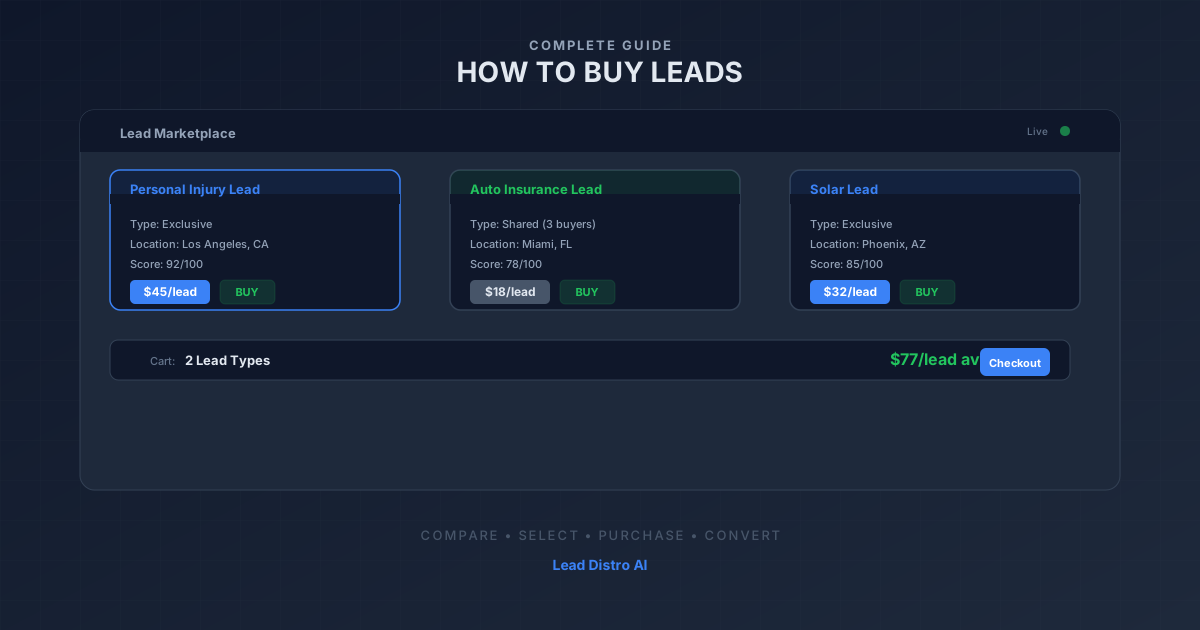
Exclusive leads are sold to one buyer only. Shared leads are sold to two, three, or more buyers simultaneously. Shared leads are cheaper per unit but require faster response times and come with higher same-lead competition. For high-ticket verticals where a closed deal is worth thousands or tens of thousands of dollars, the premium for exclusive leads is almost always worth it. See the lead generation glossary for a full breakdown of the tradeoffs between exclusive and shared leads.
Ping-Post: The Buyer's Best Tool
Ping-post is a two-step delivery protocol that lets buyers evaluate and bid on a lead before committing to purchase. The vendor sends a partial record (the "ping") containing enough information to apply your acceptance criteria. If you accept, you pay and receive the full record (the "post"). If you decline, you pay nothing.
This method gives buyers meaningful control over lead quality before spending a dollar. Our guide on what is ping-post covers the full protocol. For a comparison of the top platforms that support this delivery method, see our best ping-post platforms roundup.
Real-Time vs. Batch Delivery
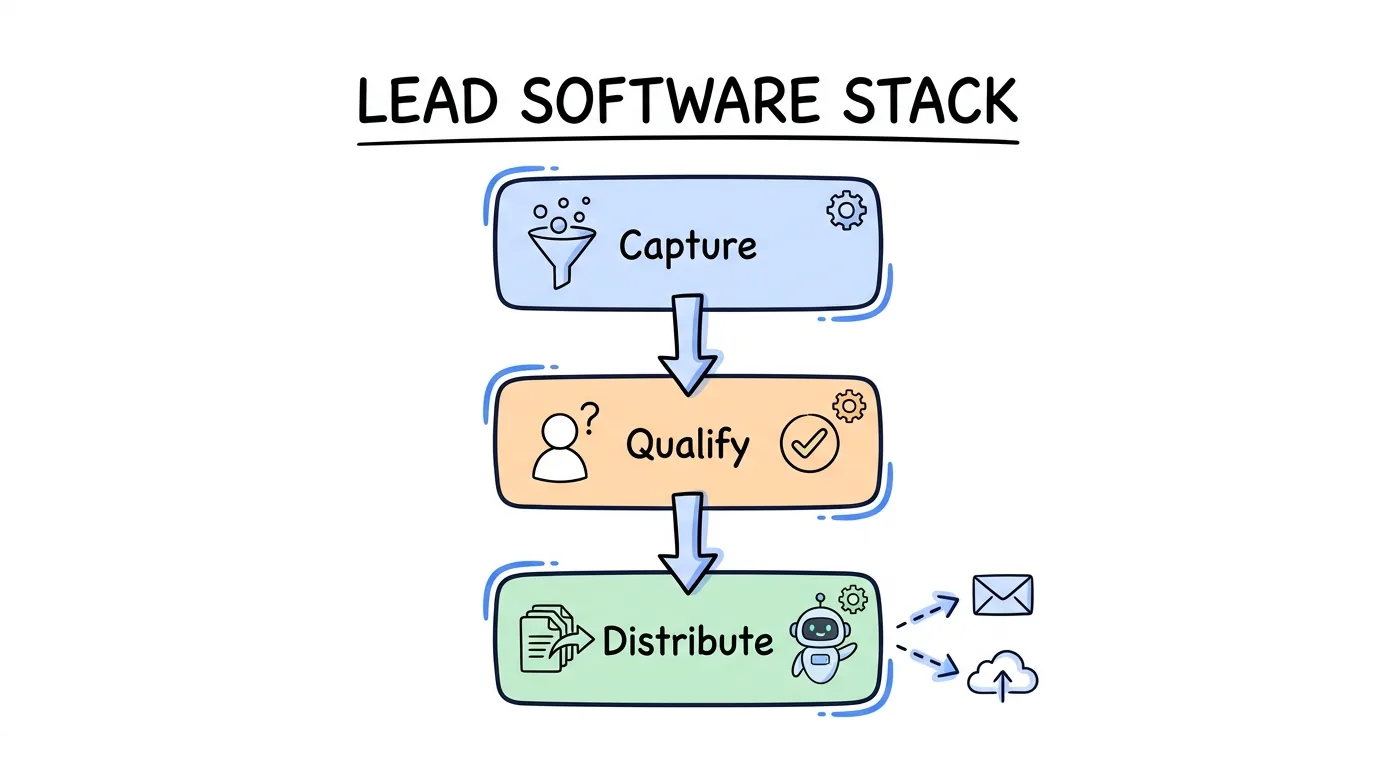
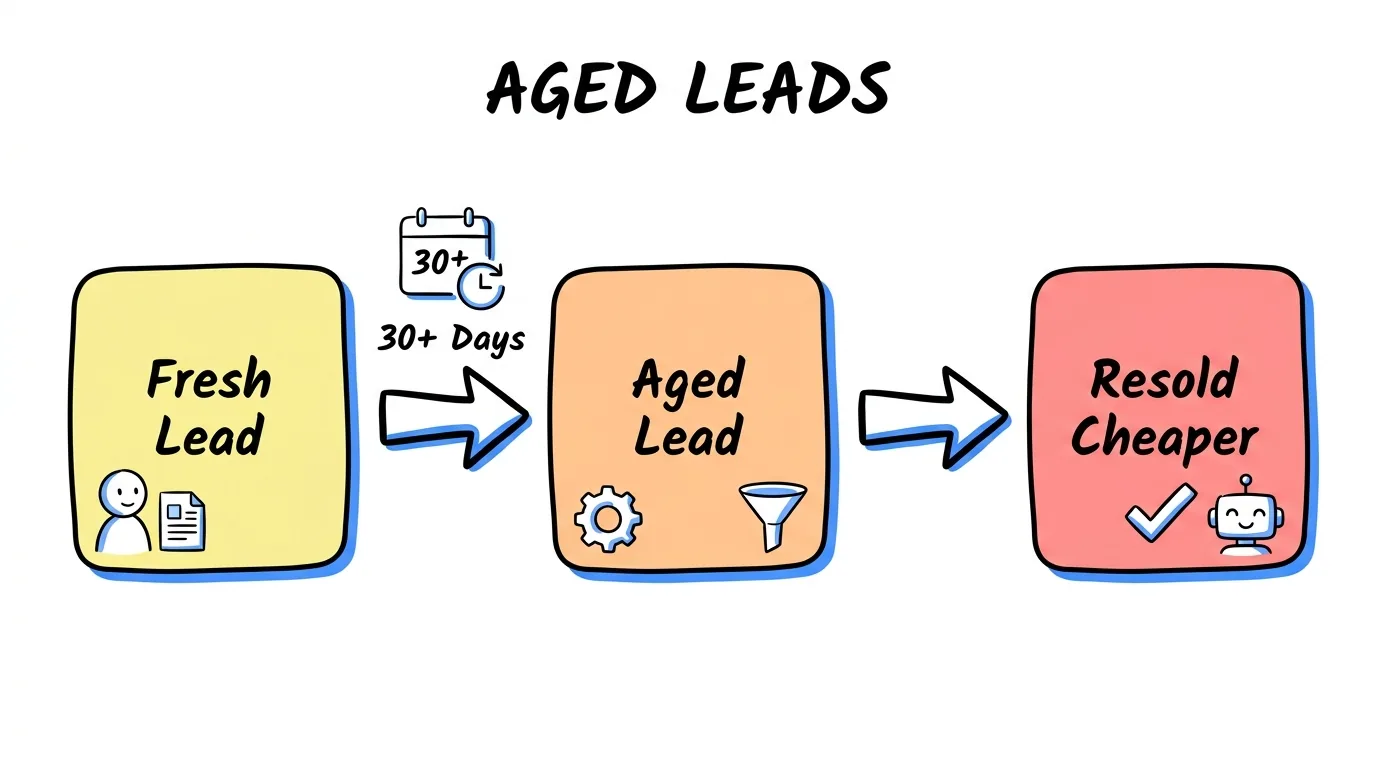
Real-time delivery sends leads to you within seconds of form submission. Batch delivery holds leads and sends them in groups, often hours later. For high-intent verticals, batch delivery is not a competitive option. Use a lead distribution system that can accept vendor leads via API and route them to your team in real time. If budget is the constraint, aged leads are a cheaper alternative that trades freshness for volume, working best with a patient, high-touch follow-up system rather than speed-to-lead dialing.
For a deeper look at how routing logic affects conversion, see our guides on what is lead routing and how agencies are using automated lead routing rules to eliminate manual dispatching.
Step 4: Detect and Reject Duplicate Leads
Duplicate leads occur when you purchase the same contact more than once, either from the same vendor across different campaigns or from two different vendors selling from overlapping sources. Without detection in place, it is easy to pay for the same person two or three times without realizing it.
Duplicate detection works by checking each incoming lead against a record of leads you have already received, using a configurable time window. Common duplicate detection windows are:
- 24-hour window: Catches same-day duplicates from high-volume campaigns.
- 72-hour window: The standard for most lead buyers. Catches most cross-vendor duplicates while still allowing a legitimate re-inquiry from a different source.
- 30-day window: Used by high-ticket buyers (law firms, insurance agencies) where a single contact should not be re-purchased from any source for an entire month.
The key field to match on is phone number, normalized to E.164 format to prevent games with hyphens and parentheses, combined with vertical or case type. Matching on email alone is less reliable because contact data quality varies across vendors. See the lead generation glossary entry on duplicate leads for a full definition of detection methods.
Lead Distro AI's duplicate detection runs automatically on every inbound lead before it reaches your team. You set the window, the matching fields, and the action (reject and notify vendor vs. accept with a flag for manual review), and the system handles the rest.
Step 5: Measure ROI and Optimize
Buying leads profitably requires tracking three numbers: cost per lead, cost per acquisition, and revenue per lead.
Cost Per Lead (CPL)
The simplest metric: total spend divided by total leads received. If you spend $2,000 and receive 20 leads, your CPL is $100. CPL tells you the efficiency of your sourcing but nothing about quality.
Cost Per Acquisition (CPA)
Total spend divided by the number of leads that converted into paying clients or cases. If 2 of those 20 leads became clients, your CPA is $1,000. CPA is the metric that determines whether the channel is actually profitable.
Revenue Per Lead
Total revenue generated from purchased leads divided by the number of leads. If those 2 clients each generated $5,000 in revenue, your revenue per lead is $500 ($10,000 divided by 20 leads). Compare this to your CPL ($100) to confirm the channel produces a positive return.
Setting Spend Caps
Daily and monthly caps prevent runaway spend when volume spikes. Set a cap at the vendor level (maximum leads per day from any single vendor) and at the campaign level (maximum monthly budget for purchased leads overall). Caps give you time to review quality before committing more budget.
Use the lead pricing calculator to model CPL, CPA, and revenue per lead across different vendor scenarios before signing a contract.
How Lead Distro AI Helps Lead Buyers
Lead Distro AI is built for both sides of the lead marketplace. For buyers, the platform provides the infrastructure to purchase leads at scale without losing control of quality or budget.
Specific features for lead buyers include:
- Acceptance criteria filters: Define geographic, vertical, and contact-quality rules that automatically accept or reject incoming leads before they reach your team.
- Vendor management dashboard: Track performance, acceptance rates, return rates, and CPL across every vendor in one place.
- Duplicate detection: Configurable time windows and matching fields catch duplicates before you pay for them.
- Real-time delivery: Leads arrive in your CRM within seconds of acceptance, so your team can respond while intent is highest.
- Reporting: CPL, CPA, and revenue per lead tracked per vendor and per campaign, updated in real time.
Plans start at $297/month. The 7-day free trial requires a credit card and can be canceled anytime during the trial period.
Ready to start buying leads with duplicate detection and acceptance criteria built in? Start your 7-day free trial and connect your first vendor in minutes.
FAQ
What is the best way to buy leads?
The best way to buy leads is to set acceptance criteria before signing with any vendor, require TCPA-compliant consent language, use ping-post delivery so you can evaluate leads before paying for them, and set up duplicate detection to avoid buying the same contact twice. Start with a small test batch from any new vendor before committing to volume contracts, and track cost per acquisition (not just cost per lead) from day one.
How much do leads cost?
Lead costs vary significantly by vertical and exclusivity. Personal injury leads typically run $50 to $400 per lead. Insurance leads range from $20 to $150. Home services leads range from $15 to $80. Exclusive leads cost 30 to 100 percent more than shared leads but convert at higher rates. The right metric is not the cheapest lead: it is the lead that produces the lowest cost per acquisition.
What is the difference between exclusive and shared leads?
An exclusive lead is sold to one buyer only. A shared lead is sold to multiple buyers at the same time, typically two to five buyers depending on the vendor's model. Exclusive leads are more expensive but eliminate same-lead competition at the point of contact. Shared leads require faster response times and stronger scripting to win the conversation before competing buyers do.
How do I avoid paying for duplicate leads?
Set up duplicate detection with a defined time window (72 hours is a common standard) that checks each incoming lead against your existing contact records before accepting it. Match on normalized phone number as the primary field. Work duplicate rejection clauses into your vendor contracts so rejected duplicates are credited back. Lead Distro AI runs this check automatically on every inbound lead before it reaches your team.
What should I look for in a lead vendor?
The five things to verify before buying from any vendor: the specific lead source (organic, paid, co-registration); whether leads are exclusive or shared; a written return policy that covers invalid contacts and duplicates; TCPA-compliant consent language you can review before signing; and sample leads you can test before committing to volume. Vendors who cannot provide all five are not worth the risk.
How do I calculate ROI from purchased leads?
Track three numbers: cost per lead (total spend divided by leads received), cost per acquisition (total spend divided by converted clients or cases), and revenue per lead (total revenue from purchased leads divided by leads received). Subtract your cost per lead from your revenue per lead to get the gross return per lead. A profitable channel shows revenue per lead consistently higher than cost per lead across a meaningful sample of at least 50 to 100 leads per vendor before drawing conclusions.
Conclusion
Knowing how to buy leads profitably is a skill built on process, not luck. Define your acceptance criteria before you sign with a vendor, vet your sources on exclusivity and TCPA compliance, use ping-post delivery to control quality before paying, and track cost per acquisition from the first lead. Most buyers who fail at lead purchasing skip one of these steps.
Lead Distro AI gives buyers the infrastructure to manage vendor relationships, enforce acceptance criteria, detect duplicates automatically, and track real-time ROI without spreadsheets or manual work. Start your 7-day free trial and connect your first lead vendor today.
About the Author
Founder & CEO of Lead Distro AI & Great Marketing AI
UC Berkeley graduate and former software engineer at Microsoft. Rafael built Lead Distro AI after managing over $10M in ad spend for performance marketing agencies (pay-per-lead and pay-per-call), including running campaigns for Neil Patel. He combines deep software engineering expertise with hands-on performance marketing experience to build tools that help these agencies scale profitably.
About Lead Distro AI
Lead Distro AI: AI-Powered Routing for Your Leads, Calls, and Appointments
The modern platform for pay-per-lead and pay-per-call agencies. Route, score, and deliver leads with AI-powered automation and real-time P&L tracking. Built for performance marketing agencies and lead buyers across legal, insurance, mortgage, solar, and home services verticals.
4 Distribution Methods
Waterfall, Round Robin, Weighted, Ping-Post
Ping-Post Auctions
Real-time bidding with sub-second routing
Real-Time P&L Reporting
Track revenue, costs, and profit per campaign
Call Tracking
Assign tracking numbers, record calls, and attribute conversions
Lead Scoring
Score every lead before routing to maximize conversion
Partner Portal
Self-serve dashboard for buyers to track leads